


Thanghou leh Liandou Tangthu:
Nidanglai in Zou kho khat ah nupa khat ana um uhi. Ta ahing nei ua, amin diingin "Thanghou" ang hisah uhi. Hun bangtan amakhat zou in ta khat ang nei kiata ua, amin diingin "Liandou" ang hisahta uhi. A ta nina uh aneizou sawtlou in a pa un a shisanta hi. Hun bangtan amakhat aum zou nua un hinkhuo hing hamsa in nutateng abuoi thei mama uhi. Tuabanga abuoi lai un a nu uh Sa-nga khat tawh ana kingai nalai hi. A tate zong thudon lou in a lou kuonna ah Sa-nga tawh nuomtah in a kiheel zing ua, a tawpin a nu uh tua Sa-nga tawh a kitaita uhi.
Liandou leh Thanghou te unau lah a naupang mama nalai ua, amau gel a innsung khosah bangma bawl theilou a shi mai diinga aum tah chiengun a Ni un hepi in a inn ah a umpita hi. A gang uh ahileh mihepina neilou khat ana hi laizang hi. Naupangte a inn ua aum apat in niteng phiel in a zi tawh a kihau hau maita hi. Hilezong naupangte umna diing dang um tuonlou ahi ziehin a Ninu un hamsatna tampi kawmkaal ah ang khothei uleh na themkhat khat ang septhei tan uh a innsung uah a umpi hi.
Hun leh nite hing liem in Liandou te uanu zong themkhat hing khangtou in na semthei simsim in ang umta ua, a gang un inn nasep zousie semsah in a gawt mun mama hi. Tambang pumpum a hing khangkhie in lou gieh thei diing ang hitah un a gang un a inn uah umsah nuom nawnlou in a lou ua kumkhuo a gieh diingin ang sawlta hi. Neeh diing taah diing tah ngel zong a pe tasih hi. Tuachi'n Liendou te unau china diing theilou in lou langah ang khosata uhi. Kum hing kihei in lou a khaichi gate ang um apat in themkhat nuom angsa ua, hilezong pawl hing tah in louma a pieng haiga zousie ang lata ua, a gang un Liandou te unau a diing themkhat zong kheet lou in haiga zousie a pomangta hi. Chimaw sengseng in loulai ah neehthei taahthei sui in amu uleh nekhawm dawnkhawm valiei in hinthei dandan in ang hing vevaw ta uhi.

Showing posts with label Zo. Show all posts
Showing posts with label Zo. Show all posts
Zo Nationalism - English Version
Zo Nationalism - English Version
Nationalism, by definition, ‘is a state or a condition of mind characteristic of certain peoples with a homogeneous culture, living together in a close association in a given territory, and sharing a belief in a distinctive existence and a common destiny'. It ‘implies the identification of the state or nation with the people or at least the desirability of determining the extent of the state according to the ethnographic principles’.
This concept is particularly true for the Zo’s who now live in many different countries around the world. The ethnological unit and the relationship of the Zo’s of India, Burma and Bangladesh have been conspicuously transmitted through their history, culture, social life, traditions, language, customs, folktales, poetry and songs.
Before elaborating on the ethnic homogeneity of Zo’s, it will be interesting to present here some important studies on the Zo’s conducted by British who unanimously concluded that the Zo’s in India and Burma are ‘of one and the same stock’ (Carey and Tuck,1896,p2).
On the Indian side, Lt. Col. John Shakespeare, the first Superintendent of the amalgamated Lushai Hills District, wrote his monograph, “The Lushai-Kuki Clans”, which covers all the Zo’s clans living in Lushai Hills and Manipur Hills. The Monograph was written during a period of more than twenty years of service among the Zo’s, and he was, perhaps, the best informed of the early administrators concerning Zo’s ethnicity. Shakespeare came to a definite conclusion on the homogeneity question and wrote,
“There is no doubt that the Kukis, Chins, and Lushais are all of the same race”.
In his monograph, Shakespeare used ‘Clan’, not ‘tribe’, consistently for the different Zo’s groups because of the high degree of identity which he found existing among the people in language, culture and history. Another monograph, “Notes on the Thadou Kukis”, written by William Shaw was published in 1919. On the question of ethnic homogeneity Shaw was equally emphatic:
“The Koms, Aimols, Khothang, Thadous, Chins, Lushai, Pois, Soktes (Sukte), Paites, Gangtes, etc. are undoubtedly connected. The language alone has many similarities and the syntax is not dissimilar. Again these are their customs which have a common principle running through them all”.
Commenting on the above statement, J.H. Hutton, one of the greatest authorities of his time on the Tribes of North East, gives unqualified support: “The affinity of the Thado with the other branches of the Kuki race mentioned by Mr. Shaw is unquestionable” Col. E. B. Elly on his “Military Report on the Chin-Lushai Country” also makes this comments:
“All these were people of the same race, speaking dialects of the same language, wearing the same dress, and having the same customs, form of politics, and religious belief.”
On the Burmese side, Betram S. Carey, the political officer of Chin Hills, and H. N. Tuck his Assistant, were engaged in preparing a substantial book, “The Chin Hills: A History of the People, our dealing with them, and their customs and manners, and a Gazetteer of their Country,” which was published in two volumes by the Government of Burma in 1896. At the initial stage of their study they have the feeling that ‘the Chins have nothing in common with the Lushais of Assam’. However, after a thorough investigation they modified their position and concluded that:
Nationalism, by definition, ‘is a state or a condition of mind characteristic of certain peoples with a homogeneous culture, living together in a close association in a given territory, and sharing a belief in a distinctive existence and a common destiny'. It ‘implies the identification of the state or nation with the people or at least the desirability of determining the extent of the state according to the ethnographic principles’.
This concept is particularly true for the Zo’s who now live in many different countries around the world. The ethnological unit and the relationship of the Zo’s of India, Burma and Bangladesh have been conspicuously transmitted through their history, culture, social life, traditions, language, customs, folktales, poetry and songs.
Before elaborating on the ethnic homogeneity of Zo’s, it will be interesting to present here some important studies on the Zo’s conducted by British who unanimously concluded that the Zo’s in India and Burma are ‘of one and the same stock’ (Carey and Tuck,1896,p2).
On the Indian side, Lt. Col. John Shakespeare, the first Superintendent of the amalgamated Lushai Hills District, wrote his monograph, “The Lushai-Kuki Clans”, which covers all the Zo’s clans living in Lushai Hills and Manipur Hills. The Monograph was written during a period of more than twenty years of service among the Zo’s, and he was, perhaps, the best informed of the early administrators concerning Zo’s ethnicity. Shakespeare came to a definite conclusion on the homogeneity question and wrote,
“There is no doubt that the Kukis, Chins, and Lushais are all of the same race”.
In his monograph, Shakespeare used ‘Clan’, not ‘tribe’, consistently for the different Zo’s groups because of the high degree of identity which he found existing among the people in language, culture and history. Another monograph, “Notes on the Thadou Kukis”, written by William Shaw was published in 1919. On the question of ethnic homogeneity Shaw was equally emphatic:
“The Koms, Aimols, Khothang, Thadous, Chins, Lushai, Pois, Soktes (Sukte), Paites, Gangtes, etc. are undoubtedly connected. The language alone has many similarities and the syntax is not dissimilar. Again these are their customs which have a common principle running through them all”.
Commenting on the above statement, J.H. Hutton, one of the greatest authorities of his time on the Tribes of North East, gives unqualified support: “The affinity of the Thado with the other branches of the Kuki race mentioned by Mr. Shaw is unquestionable” Col. E. B. Elly on his “Military Report on the Chin-Lushai Country” also makes this comments:
“All these were people of the same race, speaking dialects of the same language, wearing the same dress, and having the same customs, form of politics, and religious belief.”
On the Burmese side, Betram S. Carey, the political officer of Chin Hills, and H. N. Tuck his Assistant, were engaged in preparing a substantial book, “The Chin Hills: A History of the People, our dealing with them, and their customs and manners, and a Gazetteer of their Country,” which was published in two volumes by the Government of Burma in 1896. At the initial stage of their study they have the feeling that ‘the Chins have nothing in common with the Lushais of Assam’. However, after a thorough investigation they modified their position and concluded that:
Hornbill is the national bird and the Rhododendron is the national flower of the Zo(Chin)
The effigy of the hornbill is used by the Zo People as National emblem.
The emblem was adopted in identification of Zo cultural life with the noble image of the hornbill. All sources of Zo tradition commonly say that hornbills are noble birds. According to tradition they lead a married life just as men are doing. Like man, the bride is taken from the distant place and brought to the bridegroom.
While laying egg the female bird is enclosed within a fence so that it cannot move and it is fed mouth by the male bird. If any sign of destruction is found with the fence the female bird is accused of being unfaithful and is pecked to death by the male bird. It is said that if one of the couple died the living one also killed itself. Hornbills are never known to destroy the crops in the field nor live on flesh; but they live only on fruit.
Therefore, they are viewed as sacred and noble – sacred in the sense that they live a simple life. They are noble because they live the beautiful life characterized by love and faithfulness. Thus hornbills are much respected and honored by the Zos. According to tradition marriage is regarded as a kind of contract tied with love and loyalty.
The emblem was adopted in identification of Zo cultural life with the noble image of the hornbill. All sources of Zo tradition commonly say that hornbills are noble birds. According to tradition they lead a married life just as men are doing. Like man, the bride is taken from the distant place and brought to the bridegroom.
While laying egg the female bird is enclosed within a fence so that it cannot move and it is fed mouth by the male bird. If any sign of destruction is found with the fence the female bird is accused of being unfaithful and is pecked to death by the male bird. It is said that if one of the couple died the living one also killed itself. Hornbills are never known to destroy the crops in the field nor live on flesh; but they live only on fruit.
Therefore, they are viewed as sacred and noble – sacred in the sense that they live a simple life. They are noble because they live the beautiful life characterized by love and faithfulness. Thus hornbills are much respected and honored by the Zos. According to tradition marriage is regarded as a kind of contract tied with love and loyalty.
Who Are The Zo - English Version
Who Are The Zo - English Version
The term 'Zo mi' meaning,(mi=people) 'Zo People' is derived from the generic name 'Zo', the progenitor of the Zo people. In the past they were little known by this racial nomenclature. They were known by the non-tribal plain peoples of Burma, Bangladesh and India as Chin, Kuki, or Lushai. Subsequently the British employed these terms to christen those 'wild hill tribes' living in the 'un-administered area', and was subsequently legalized to be the names for the newly adopted subjects by Queen Victoria of England. However, they called themselves Zo people since time immemorial. They are Zo people not because they live in the highlands or hills, but are Zo people and called themselves Zo people because they are the descendants of their great great ancestor, 'Zo'.
In this regards, F.K. Lehman, Professor of Anthropology and Linguistics, University of Illinois (USA), who had done extensive study on the Chin of Burma, said:
The term 'Zo mi' meaning,(mi=people) 'Zo People' is derived from the generic name 'Zo', the progenitor of the Zo people. In the past they were little known by this racial nomenclature. They were known by the non-tribal plain peoples of Burma, Bangladesh and India as Chin, Kuki, or Lushai. Subsequently the British employed these terms to christen those 'wild hill tribes' living in the 'un-administered area', and was subsequently legalized to be the names for the newly adopted subjects by Queen Victoria of England. However, they called themselves Zo people since time immemorial. They are Zo people not because they live in the highlands or hills, but are Zo people and called themselves Zo people because they are the descendants of their great great ancestor, 'Zo'.
In this regards, F.K. Lehman, Professor of Anthropology and Linguistics, University of Illinois (USA), who had done extensive study on the Chin of Burma, said:
Ph.D te Mipil maw ? Laipil te Mipil? CihThu hi:
Ph.D te Mipil maw ? Laipil? CihThu, Ph.D-Rev. Jeffrey.PumLianPau in Suutsiam mamah-ei.!
 Guai---Tu sung teng Ph.D te mipil maw? Laipil? Cih tawh kikupna hong
tam pian in ke’n zong tawm hong behlap nuam ing. Amasa iin, “Pilna” ih
cih in bang hiam?, cih ih theihcian (define) kei leh buai (confuse)
diing hi hangh.
Guai---Tu sung teng Ph.D te mipil maw? Laipil? Cih tawh kikupna hong
tam pian in ke’n zong tawm hong behlap nuam ing. Amasa iin, “Pilna” ih
cih in bang hiam?, cih ih theihcian (define) kei leh buai (confuse)
diing hi hangh.
Mang lai iin “intelligence,” “education,” or “wisdom,” cih te pen ih pau kicing lo ahihman iin “Pilna” ci lel hi hang. Ei Zomi te’n pilna, ciimna (laipil, mipil) ci’n nam nih iin ih khen/nei hi. Hih pen kicing zolo hi. Hih bang kammal ki cinlohna tungtawn iin kikum ih hihman iin ih buai mahmah hi. “Mipil” ih cih ciang iin, a “intelligent” mi te gen nuam hi diing ih hihman iin pilna tawh kisai tawm gen beh ni.
Pilna ih cih in bang hiam?
Guai---Tu sung teng Ph.D te mipil maw? Laipil? Cih tawh kikupna hong
tam pian in ke’n zong tawm hong behlap nuam ing. Amasa iin, “Pilna” ih
cih in bang hiam?, cih ih theihcian (define) kei leh buai (confuse)
diing hi hangh.Mang lai iin “intelligence,” “education,” or “wisdom,” cih te pen ih pau kicing lo ahihman iin “Pilna” ci lel hi hang. Ei Zomi te’n pilna, ciimna (laipil, mipil) ci’n nam nih iin ih khen/nei hi. Hih pen kicing zolo hi. Hih bang kammal ki cinlohna tungtawn iin kikum ih hihman iin ih buai mahmah hi. “Mipil” ih cih ciang iin, a “intelligent” mi te gen nuam hi diing ih hihman iin pilna tawh kisai tawm gen beh ni.
Pilna ih cih in bang hiam?
Australia & New Zealand Zo Khawmpi Nuom tah iin Kizo

Dear Pu Zo suon teng,
Australia Zo Organization makaina tawh Australia leh New Zealand
kigawm iin Zo Ngaina Pawipi (Zo Cultural Show)
April 6 ni iin guol zo tah iin kiman ta hi. Ni 3 sung (April 1-3) Zo Cup bawlung (Football)
kidemna kinei aa team 9 kipha hi. Team Zombie in a khatna (champion) nga in
Chin Stars te'n a nihna nga vuh hi (Kohaw NZ team te mi kim lo ka himan vun
a khatna kinga zo lo hi !! :):):).
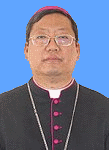
Bishop Felix Lian Khen Thang & Pope Francis
 Bishop Felix Lian Khen Thang leh Pope Francis kimu ton-na
tungtawn in, itheih loh kikal in Zo mite khantohzia leh khuasahzia pen
imang hiam, cihnop in om hi. Leitungbup ah ukna anei RC Pawlpi pen
bangbang in susia zolo in, koima inzong simmawh ngamlo hi. Tam thu i et
ciangin, Pasian in panpih mahmah cihna kimu hi.
Bishop Felix Lian Khen Thang leh Pope Francis kimu ton-na
tungtawn in, itheih loh kikal in Zo mite khantohzia leh khuasahzia pen
imang hiam, cihnop in om hi. Leitungbup ah ukna anei RC Pawlpi pen
bangbang in susia zolo in, koima inzong simmawh ngamlo hi. Tam thu i et
ciangin, Pasian in panpih mahmah cihna kimu hi.RC sungah Father ciang suahzawh nadingin, pilna, siamna, hoihna, phatna, khuasakzia leh khuahekzia akipan ki encik in, tua tawh Father hongsuak khia hi. Father bekbek 100 val bang a-uk pen Bishop hi a, tua Bishop khat suahkhiat zawh nadingin Gamkhat Kumpi suah zawh ding sangin haksa zaw pek cih kimu thei hi.
Zogam ah Zo Suan khat ahi, Bishop Felix Lian Khen Thang pen Tedim gam, Gam Ngai khuaneu khat ah suak hi. Topa Zeisu bangphial mah in khuaneu thilthel panin hongsuak a, Zo MiNam ei tawisang mipil khat ahihna tam munah kimu khia thei hi.
1. Napil leh Bishop Felix Lian Khen Thang bangin pil in!
2. Thu nakhual leh Bishop Felix Lian Khen Thang bangin thukhual in.
3. Na lungduai leh Bishop Felix Lian Khen Thang bangin lungduai in.
4. Na cihtak leh Bishop Felix Lian Khen Thang bangin citak in.
5. Thu na ngaihsut leh Bishop Felix Lian Khen Thang bangin thu ngaihsun in.
Zo Suan
Bishop Felix Lian Khen Thang hangin angtang ing. Topa'n thupha ei piakpiek semsem tahen!
Deihsah thupuak,
Dal Sian Hung
SIANGTHO NI 4 NI - BY BISHOP LIAN KHEN THANG
SIANGTHO NI 4 Ni
 A
Nunung pen Topa’ Nitak An Nekkhawmna.Topa in a nungzuite kiang ah agen
kammalte eite kiang ah hong gen kikhi: ‘Note tawh hih an i nekkhop ding
ka ut mahmah hi’ (lk. 22:16).Tua a nunung an nekna in an mawkmawk hi
loin, Pasian pawi an ahi hi.Judah mite aa ding in an siang thoahi hi.
Eite in, hih an nek khawmpawi pen A nunung Jesu’ nitak nekkhawm bawlna i
ci hi.
A
Nunung pen Topa’ Nitak An Nekkhawmna.Topa in a nungzuite kiang ah agen
kammalte eite kiang ah hong gen kikhi: ‘Note tawh hih an i nekkhop ding
ka ut mahmah hi’ (lk. 22:16).Tua a nunung an nekna in an mawkmawk hi
loin, Pasian pawi an ahi hi.Judah mite aa ding in an siang thoahi hi.
Eite in, hih an nek khawmpawi pen A nunung Jesu’ nitak nekkhawm bawlna i
ci hi.
Siangtho Nilini pen, ‘Ki-itna Ni’
zong kici hi. Topa thuhilhna sung aha thupi thu nam nihte bulphuhpha pen
hi. Tua te in: ki - itna lehkipumkhatna ahi hi. Jesu in “Note tung ah
ka hong piak thak thu in;note ka hong it mah bang in note khat leh khat
na ki-it un” (Jn.13:34) ci a hongvaikhak pen i veng ipamte leh thuzuite
lakah a zawngzaw deuhte i itna i lahna ding ni ahi hi. “Pa aw, amaute
khempeuh pumkhat a suah theihna ding un ka hong ngetsak hi. Nang leh kei
pum khat ihih mah bang in, amaute zong pum khat a suah theih nading un
keimatung ah na hong piak minthanna mah amaute tung ah ka pia hi”
(Jn.17:21-22).
Jesu in a nung zuite khat leh khat bang
ci bang in ki-it ding cihalah na ding in, amau khe a silsakna tawh hong
hilh hi. ‘Note’n kei Sia nong ci uh hi. Man hi. Ahih hang ke’n silate’
nasep ka sem hi. Tuamah bang in, note khat leh khat khe na ki sawp sak
un’ hong ci ngiat
hi.
Topa in sepna bawlna bek tawh
hihlo in, a pumpi mahmah hong pia hi.Abeisa hun in, “Na pumpi na it bang
in, na lawmte na it in” (Lev.19:18), cih ciang bek tawh thu hong hilh
hang, tu ni-in, “Ke’n notekong it mah bang in note khat leh khat na
ki-it un” (Jn. 13:43), ci-in thu hong hilh hi.

ZKK Pearl Jubilee Memorial

Zo Khangno Kipawlna (ZKK) Tonzang ah April 22-24,2014 dong Pearl Jubilee
nasetah in kibawl aa, Tonzang innteh te simlo Sayin pie lien zin-800 val
pha aa, zin tunni in Siel khat le Voh-2 kigo in zindo zong siem mama vuh hi.
GIE BANG JUUN VAI

***********
Lungpi Cing leh a ki ngaingiem a Thuo hatte ihi uhi..ZO minam te aw,guollai ah na ZO minngaih puongkhie in len na ZO Tongluong Neemno twh na pienpih Unau te kung ah Thuman pha gen in.
Bishop Felix Lian Khen Thang ' Zo ' Tangthu Tomkim
 Bishop Felix Lian Khen Thang ' Zo '
Zo Suan sung bek ah a hilo, Kawlgam bup Roman Catholic sung dong ah nasia mahmah khat ahi Bishop Felix Lian Khen Thang pen Tedim township, Gamngai khua ah 1959 kum Christmas ni in suak aa, Pyin Oo Lwin khua St. Aloysius Minor Seminary leh Yangon khua St. Joseph National Major Seminary ah pilna sin hi.

( ZO or ZOMI နဲ့ 2014 myanmar Census အပေါ်ကျွန်တော့် ့အမြင်...)
လူမျိုးတစ်ခုရဲ ့အမည်နာမ နောက်မှာ လူဆိုတဲ့ ( people ,mankind or
humankind ) ထည့်ရေးစရာ
ဖေါ်ပြစရာလုံးဝလုံးဝကိုမလိုအပ်ပါဘူး.....လူမျိုးနွယ်စုဆိုကတည်းက
တိရိစ္ဆာန်မျိုးနွယ်စုမဟုတ်လို့....mi ဆိုတဲ့ Common Word OR Common Noun
အများဆိုင်နာမ် ထည့်ရေးဖို့မလိုတာသေချာပါတယ်....ဒါကလည်း common knowledge
မရှိလို့လည်းဖြစ်နိုင်ပါတယ်....mi ဆိုတာကဗမာလိုဖတ်တော့
မီးလို့အသံထွက်ပြီးတော့ ZO လို ကျတော့ လူသတ္တဝါ လို့
အဓိပ္ပါယ်ရပါတယ်...ဗမာလူမျိုးကိုပဲကြည့်ပါ လူမျိုးနာမည်ရေးတဲ့အခါ
ဗမာဆိုတာလူသတ္တဝါဖြစ်တဲ့အတွက် " ဗမာ
"လို့ပဲရေးပါတယ်ဖတ်ပါတယ်ပြောပါတယ်...
လူဖြစ်နေတဲ့အတွက် နောက်ကနေလူမျိုးဆိုတာကြီး ထည့်မရေးကြပါဘူး ......အလားတူစွာပဲ....ZO လူမျိုးဆိုတာလည်းဟိုးအရင်ကတည်းကရှိခဲ့လို့ ကျနော်တို့အစိုးရကိုယ်တိုင်က အသိမှတ်ပြု ထားပါတယ်..အဲဒီအတွက်လဲ ZO လူမျိုးတွေအတွက် " 421 " ဆိုတဲ့ ကုတ်နံပါတ်နဲ ့တရားဝင် အသိမှတ်ပြု မှတ်တမ်းတင်ထားပါတယ်.....
....အဲဒီတော့ .........
အခုမြန်မာပြည်ကြီးမှာပြုလုပ်နေတဲ့ ပြည်လုံးကျွတ် သန်းခေါင်စာရင်းကောက်ပွဲ ..လူဦးရေကောက်ပွဲ 2014 CENSUS ကြီးမှာ လူတစ်ချို ့ နိုင်ငံရေးပါတီ တစ်ချို ့ ရဲ ့ဦးဆောင်မူနဲ့ 914 ဆိုတဲ့ ကုတ်နံပါတ်အသစ်နဲ့ Zomi(ဇိုမီး) ဆိုပြီး လူမျိုးနွယ်စု ဒါမှမဟုတ်လူမျိုး အသစ်တစ်ခု ပေါ်ပေါက်လာဖို့ ဖန်တီးလာကြပါတယ် ..အဲဒီအတွက်လဲ zomi movement တွေလဲအများကြီးလူပ်ဆောင်ခဲ့ကြပါတယ်....
လူဖြစ်နေတဲ့အတွက် နောက်ကနေလူမျိုးဆိုတာကြီး ထည့်မရေးကြပါဘူး ......အလားတူစွာပဲ....ZO လူမျိုးဆိုတာလည်းဟိုးအရင်ကတည်းကရှိခဲ့လို့ ကျနော်တို့အစိုးရကိုယ်တိုင်က အသိမှတ်ပြု ထားပါတယ်..အဲဒီအတွက်လဲ ZO လူမျိုးတွေအတွက် " 421 " ဆိုတဲ့ ကုတ်နံပါတ်နဲ ့တရားဝင် အသိမှတ်ပြု မှတ်တမ်းတင်ထားပါတယ်.....
....အဲဒီတော့ .........
အခုမြန်မာပြည်ကြီးမှာပြုလုပ်နေတဲ့ ပြည်လုံးကျွတ် သန်းခေါင်စာရင်းကောက်ပွဲ ..လူဦးရေကောက်ပွဲ 2014 CENSUS ကြီးမှာ လူတစ်ချို ့ နိုင်ငံရေးပါတီ တစ်ချို ့ ရဲ ့ဦးဆောင်မူနဲ့ 914 ဆိုတဲ့ ကုတ်နံပါတ်အသစ်နဲ့ Zomi(ဇိုမီး) ဆိုပြီး လူမျိုးနွယ်စု ဒါမှမဟုတ်လူမျိုး အသစ်တစ်ခု ပေါ်ပေါက်လာဖို့ ဖန်တီးလာကြပါတယ် ..အဲဒီအတွက်လဲ zomi movement တွေလဲအများကြီးလူပ်ဆောင်ခဲ့ကြပါတယ်....
ဟားခါးတြင္ (ခ်င္း(ဇို)မ် ဳိ းႏြယ္စုမ်ား) ေတြ႔ဆံုၾကမည္

ခ်င္းျပည္နယ္၏ ၿမိဳ႕ေတာ္ ဟားခါးတြင္ Chinlung Chhuak Zofate ခ်င္း(ဇို)မ် ဳိ းႏြယ္စုမ်ား ေတြ႔ဆံုပြဲတရပ္ကို ယခုႏွစ္ ကုန္ပိုင္းတြင္ က်င္းပျပဳလုပ္သြားရန္ စီစဥ္ေနၾကေၾကာင္းသိရသည္။
ယင္းကိစၥႏွင့္ပတ္သက္ၿပီး မတ္လ ၂၉ ရက္ေန႔က အိႏိၵယႏုိင္ငံ မီဇိုရမ္ျပည္နယ္ အိုင္ေဇာလ္ၿမိဳ႕ရွိ I &PR ခန္းမတြင္ Mizo Student Union (MSU) အဖြဲ႔ကဦးေဆာင္ၿပီး အစည္းအေ၀းတရပ္က်င္းပကာ အဆိုပါ ပြဲျဖစ္ေျမာက္ေရးအတြက္ ေတြ႔ဆံုေဆြး ေႏြးခဲ့ၾကသည္။
Census vai kician tah-in Pastor Pum Lian Pau gena:
ZOMI & Legal Self-Delusion
Pawlkhat te’n Chin nuai ah ut loh man iin ZOMI movement a kibawl hi ci uh hi. Chin cih pen Chin State sung aa om mi khempeuh huam aa genna “legal term” ahihman iin ei deih, deih loh tawh kisai lo hi. Chin cih pen adang min khat peuhpeuh tawh legally aa ih khel zawh ma teng (cih mah hun iin bel khel zo nawn kei ni) Chin tawh kipelh thei lo diing hi hang. Hih pen ei deih, deih loh tawh kisai lo aa “legal reality” ahihi. Pawlkhat in Chin pen ZOMI tawh a khel zo diing kisakha, lam etna nei uh hi.
Hih pen ih lung nopna diing aa ei leh ei kikhemna (self-delusion) lianpi khat hi. Chin tawh a kipelh nuam te pen “legal reality” a mu thei lo, a thei lo, thei mah leh zong a letkhan (accept) nuam lo te hi uh aa, Soren Kierkagaad ii gen haina nam nih lak pan khat penpen ah kihel kha diing hi. Chin TV tawh interview bawlna ah LZI President Pu Go Sawm Khup in Chin State sung aa minam 53 te khat khat iin beimang iin a tawpna ah minam khat bek (ZOMI) cian/om sak diing cih thu LZI ii lungtup (goal) gen hi.
Hih pen legal reality muh lohna, theih lohna, ahih kei leh kitheihmawh bawlna ahihi. A thu (conceptually) iin bel Chin State sung aa khempeuh minam khat bek iin ding zo leng bel a hoih mahmah diing hi. Ahih hang, legal reality ih et cieng a piang zo lo diing thu ahihi ( it is only a pipe dream to believe otherwise).
Tuma kum za lom (1900 pan 2000) sung Kawl gam ah Census thum (3) vei kinei hi. British te ukna nuai ah khat vei (1931), Kawl kumpi ukna nuai ah nih vei (1973 & 1983) kinei hi. Hih Census te ah British government ahizong iin, Kawl kumpi te’n ahizong iin “ZOMI” minam ci’n legal recognition na pia lo, na nei lo uh hi.
၂၀၁၄ သန်းခေါင်စာရင်းကောက်ယူမှုမှာ တိုင်းရင်းသားလူမျိုးစုတွေကို အမှန်တကယ် ထည့်စဉ်းစားပါရဲ့လား...။
အစိုးရက ၂၀၁၄ သန်းခေါင်စာရင်းကောက်ယူမှုမှာ တိုင်းရင်းသားလူမျိုးစုတွေကို အမှန်တကယ် ထည့်စဉ်းစားပါရဲ့လား...။
၁၃၅ ကို ၂၀၁၄ သန်းခေါင်စာရင်းကောက်ခံဖို့အတွက် အခြေခံမယ့်မူဘောင် (Frame) အဖြစ်ထားပြီး၊ ၁၃၅ မှာပါတဲ့စာရင်း ကို သင်္ကေတ (Code) သတ်မှတ်လိုက်ကတည်းကိုက သမ္မတကြီးဦးသိန်းစိန် ဦးဆောင်တဲ့အစိုးရ အနေနဲ့ မြန်မာနိုင်ငံ အတွင်းမှာ အစဉ်အဆက်မှီတင်းနေထိုင်လာခဲ့ကြတဲ့ မိမိတို့ရဲ့သွေးချင်းတိုင်းရင်းသားလူမျိုးစုတွေအကြောင်း သေသေချာချာ သိရှိနားလည်မှု ရှိမနေဘူးလားလို့ အသေအချာတွေးမိစရာဖြစ်စေပါတယ်။ အဲသလိုပဲ၊ သန်းခေါင်စာရင်း ကောက်ခံဖို့အရေးမှာ ၀ိုင်းဝန်းကူညီကြတဲ့ ရာထူးအမျိုးမျိုးနဲ့ လာအလုပ်လုပ်ကြတဲ့ပြည်ပကျွမ်းကျင်သူတွေ၊ ပညာရှင်တွေဆိုသူတွေဟာလည်း ပြီးပြီးရောလုပ်ချင်ကြတာလားလို့ ဆိုချင်စရာ ဖြစ်နေပါတယ်။
သာမန်အရပ်သား ကချင်လူမျိုးစုဝင်တစ်ဦးဦးကို ခေါ်မေးလိုက်ရုံနဲ့ ၁၃၅ ထဲမှာပါတဲ့ ကချင်မျိုးနွယ်စုစာရင်းဟာ မှန် သလား၊ လွဲနေလားဆိုတာကို သိနိုင်တာပဲ။ ဒီထက် သေချာချင်ရင် ကချင်စာပေနှင့် ယဉ်ကျေးမှုဆိုင်ရာ အဖွဲ့အစည်း တစ်ခုခုကို မေးမြန်းလိုက်တာနဲ့ ရှင်းရှင်းလင်းလင်း သိနိုင်တာပဲလေ။ ထိုနည်းတူ ချင်းမျိုးနွယ်စုတွေနဲ့ ပတ်သက်လာရင် ချင်းအဖွဲ့အစည်းတွေ၊ ရှမ်းနဲ့ပတ်သက်လာရင် ရှမ်းစာပေနှင့် ယဉ်ကျေးမှုဆိုင်ရာအဖွဲ့အစည်းတွေ၊ ကရင်ဆိုလည်း ကရင်အဖွဲ့အစည်းတွေကို မေးမြန်းလို့ရတာပဲ။ ဒါပေမယ့် ဘာဖြစ်လို့များ
လုံလောက်တဲ့ ဆွေးနွေးမေးမြန်းမှုတွေ ကျယ်ကျယ်ပြန့်ပြန့်၊ ပွင့်ပွင့်လင်း လင်း၊ လုံလုံလောက်လောက် မလုပ်ဘဲနဲ့ ၁၃၅ ကိုပဲ မူဘောင်အနေနဲ့သုံးချင်ရတာလဲ။ ဘာကြောင့်များ ကိုယ်တိုင် ဂဃနဏ နားမလည်တာကိုဝန်ခံ၊ ကာယကံရှင်တွေနဲ့ ဆွေးနွေးညှိနှိုင်းပြီး အကောင်းဆုံး အဖြေရှာဖို့ မလုပ်ချင်ရတာလဲ။ အခုတော့ Code Number တွေ ထွက်ချလာပြီးတော့မှ ကျုပ်တို့က ဘယ်လိုသွားပြောရ မှာလဲ။
၁၃၅ စာရင်းထဲက မျိုးနွယ်စုအမည်ပေးမှုဟာ ကာယကံရှင် တိုင်းရင်းသားလူမျိုးစုတွေ၊ မျိုးနွယ်စုတွေကိုယ်တိုင်က သတ်မှတ်ဆုံးဖြတ်ထားတာမဟုတ်ဘူး။ အဲဒါကြောင့် အဲဒီအမည်တွေဟာ လူမျိုးစုတွေ၊ မျိုးနွယ်စုတွေကြားမှာ အချေအတင်အငြင်းအခုံဖြစ်စရာ အကြောင်းရှိလာစေပါတယ်။ မညီမညွတ်၊ မသင့်မမြတ်ဖြစ်လာစေနိုင်တာပဲ။ ၂၀၁၄ သန်းခေါင်စာရင်းရဲ့ ရလာဒ်မှာလည်း သက်ရောက်မှု ရှိလာနိုင်တာပဲ။
၁၃၅ ရေတွက်တဲ့အခါ အနည်းဆုံးနှစ်ကြိမ် ထပ်ရေးထား (Overlap)တဲ့ မျိုးနွယ်စုတွေအကြောင်း ထည့်မပြောလို့ မရဘူး။ ဥပမာ - ချင်းအုပ်စုထဲမှာ ကလင်ကော့ ( Code 404) နဲ့ လူရှည် (Code 440)။ အမည်နှစ်ခု၊ ဒါပေမယ့် တစ်မျိုးတည်းပဲ။ ယနေ့ခေတ်မှာ မီဇို (Mizo) လို့သိကြတယ်။ ပလက်ဝမြို့နယ်မှာ နေထိုင်တဲ့ ခူမီးချင်း (Khumi) တွေက ကလင်ကော့ လို့ခေါ်ကြပြီး၊ ချင်းပြည်နယ် မြောက်ဘက်ပိုင်းမှာ နေထိုင်ကြတဲ့ ချင်းမျိုးနွယ်စုဝင်တွေက လူရှည်/လူရှိုင်း (Lushai) ဆိုပြီး ခေါ်ကြတယ်။ ထို့အတူ ချင်းအုပ်စုထဲက မြို (၀ါကုန်)(Code 446) နှင့် ရခိုင်အုပ်စုထဲက မြို (Code 706) ဟာလည်း တစ်မျိုးတည်းပါပဲ။ ၀ါကုန်(Vakeung) ဆိုတာက ခူမီးချင်း (Khumi)တွေက မြို (Mro) တွေကိုခေါ်တဲ့အခေါ်ဖြစ်ပါတယ်။ အဲသလိုပဲ ရှမ်းကြီး (Code 822) နှင့် တိုင်းလုံ (Code 829) တို့ဟာလည်း တစ်နွယ်တည်းပဲ။ ထိုနည်းတူ ကချင်အုပ်စုထဲက ဂျိန်းဖေါ/ Jinghpaw (Code 104)၊ ဂေါ်ရီ/ Gauri (Code 105)၊ ခခူး / Hkahku (Code 106) နှင့် ဒူလိုင်/ Duleng (Code 107) တို့ဟာလည်း တစ်မျိုးတည်းပဲ။ ဒေသမတူလို့ အခေါ်မတူကြတာပဲ။ အဲသလို… အဲသလို… ။
နောက်တစ်ခုက ပါရမယ့် အမည်တွေ ကျန်နေတာ။ မှားနေတာ။ လွဲနေတာ….။ ဥပမာ … ချင်းအုပ်စုမှာ ခမီး (Khami) (Code 405) နဲ့ အဝခမီး (Code 406)။ တကယ်က ခမီး (Khami) မဟုတ်ဘူး။ ခူမီး (Khumi) ဖြစ်ရမှာ။ ခမီးနှင့် ခူမီးဆိုတာ မျိုးနွယ်စုနှစ်ခု။ ခူမီးဆိုတာ ပလက်ဝမြို့နယ်မှာအဓိကနေထိုင်ကြတဲ့ ချင်းတွေ။ လူဦးရေ ခန့်မှန်း ၆၀၀၀၀ (ခြောက်သောင်း)ကျော်တယ်။ ချင်းမျိုးနွယ်စုထဲက အဓိကအုပ်စုတစ်ခု။ အဝခမီး (Awa Khami) ဆိုတာ ရခိုင်ပြည်နယ်ဘက်မှာ နေတဲ့ ချင်းတွေ။ သူတို့ကိုယ်သူတို့ ခမိ (Khimi) လို့ရေးတယ်။ မြို၊ ခမိ အုပ်စုထဲက ခမိ။ ဒီနေ့ခေတ်မှာ ခမီး (Khami) လို့သုံးရင် ခူမီးတွေက သူတို့ကို ခေါ်တယ်လို့ မထင်ဘူး။ ရခိုင်ပြည်နယ်ထဲက ခမိတွေကို ခေါ်တယ်လို့ ထင်ကြတယ်။ အဝခမိ ဆိုတဲ့အသုံးကလည်း အခုကျယ်ကျယ်ပြန့်ပြန့် မသုံးတော့ဘူး။ အဲဒီတော့ ခူမီး (Khumi) ဆိုတဲ့ ရေးထုံးအမှန်က ၁၃၅ မှာ မပါလာဘူး။ အဲဒီတော့ တကယ် စာရင်းကောက်လို့ ခူမီးလို့ထည့်ချင်ရင် ဘယ် Code မှာ ထည့်ရမှာလဲ။ ခမီး (Code 405) လို့ပြောပြန်ရင်လည်း မှားနေတယ်။ ကာယကံရှင်တွေက လက်ခံနိုင်မှာလား။
အဲသလိုပဲ ကရင်အုပ်စုမှာ ပိုး (Pwo) ဆိုတာ မပါလာဘဲ မွန်ကရင် (Code 304) ဆိုတာပဲ ပါလာတယ်။ မွန်ကရင်ကို တလိုင်းကရင် လို့လည်းခေါ်တယ်။ ကရင်အုပ်စုထဲက အုပ်စုကြီးတစ်ခု။ ဧရာဝတီတိုင်း၊ ရန်ကုန်တိုင်းဘက်မှာ နေတဲ့ ပိုးကို အနောက်ပိုး၊ ကရင်ပြည်နယ်ဘက်မှာ နေတဲ့ပိုးတွေကို အရှေ့ပိုး လို့ခေါ်ကြတယ်။ မွန်ကရင်/ တလိုင်းကရင်ဆိုတာကို ဒီဘက်ခေတ်မှာ မသုံးတော့ဘူး။ တစ်ချို့လူကြီး၊ လူငယ်တွေက မွန်ကရင်/ တလိုင်းကရင်လို့ခေါ်ရင် မကြိုက်တော့ဘူး။ နောက် ထီးဒေး/ ထေဒိုင် ကရင််ဆိုတာရှိသေးတယ်။ တောင်ငူ၊ ပျဉ်းမနားဘက်မှာ နေတယ်။ ၁၃၅ မှာ မပါလာဘူး။
နောက်တစ်ခုရှိသေးတယ်။ လူမျိုးအမည်မဟုတ်ဘဲ လူမျိုးအမည်အနေနဲ့ ဖေါ်ပြထားတာ။ ဥပမာ - ချင်းထဲက ဆလိုင်း (Code 403)ဆိုတာ မူလက အရှိုချင်း (Asho) (Code 452) တွေရဲ့ ယောကျာင်္းလေး အမည်ရှေ့မှာ တပ်ခေါ်တဲ့ စကားလုံး။ အခုတော့ ချင်းမျိုးနွယ်စုဝင်တော်တော်များများ က ချင်းဝိသေသတစ်ရပ်အနေနဲ့ ယူသုံးနေကြပြီ။ မြန်မာမှာ၊ ကမ္ဘာမှာ နာမည်ရှေ့မှာ ဆလိုင်းတပ်ထားရင် ချင်းမှန်း တော်တော်များများသိကြတယ်။ အရှိုချင်းနဲ့ပဲ မဆိုင်တော့ဘူး။ အဲဒီ ဆလိုင်း ဆိုတာ မျိုးနွယ်စုနာမည် မဟုတ်ဘူး။ နောက်ပြီး ချင်းအုပ်စုထဲက တီးဒင်/ တီးတိန် (Code 424) ဆိုတာ။ တီးတိန်ဆိုတာ မြို့နာမည်။ တီးတိန်ချင်းဆိုတာ မရှိဘူး။ ဖလမ်း ချင်းဆိုတာ မရှိဘူး။ ဟားခါး ချင်းဆိုတာ မရှိဘူး။ ပလက်ဝ ချင်းဆိုတာ မရှိဘူး။ ဖလမ်း၊ ဟားခါး၊ ပလက်ဝ၊ တီးတိန်ဆိုတာ မျိုးနွယ်စုနာမည်တွေ မဟုတ်ဘူး။ မြို့နာမည်တွေ။
နောက်ထပ်တစ်ခုက လွဲမှားစာရင်းသွင်းထားတဲ့ကိစ္စ။ နာဂကို ချင်း ၅၃ မျိုးထဲမှာ ထည့်ထားတော့ နာဂတွေက သူတို့ဟာချင်းမဟုတ်ပါဘူးလို့ ထပြောပြီ။ မြိုနှင့် ခမိတွေကို ရခိုင်စာရင်းထဲ ထည့်ထားတာကို သူတို့ကိုယ်တိုင်က သူတို့ဟာ ရခိုင်မျိုးနွယ်စုဝင်တွေ မဟုတ်ဘူးလို့ပြောလာပြီ်။ ၀ (Code 833) ဟာ ရှမ်းလား။ လားဟူ (Code 823) ဟာ ရှမ်းလား။ ကော/ အီကော/အခါ (Code 811) ဟာ ရှမ်းလား။ ကာယကံရှင်တွေက သူတို့ဟာ ရှမ်းမဟုတ်ဘူး၊ ရှမ်းအနွယ်ဝင် မဟုတ်ဘူးလို့ပြောတယ်။ အဲဒီတော့ ချင်း ၅၃ ဆိုတာ မမှန်ဘူး။ ရခိုင် ၇ ဆိုတာ မမှန်ဘူး။ ရှမ်း ၃၃ ဆိုတာ မမှန်ဘူး။ ကချင် ၁၂ ဆိုတာ မမှန်ဘူး။ အဲသလို ဗမာ ၉ ဆိုတာရော မှန်ရဲ့လား။ ဆလုံ (Code 508) တွေက သူတို့ဘယ်လိုကြောင့် ဗမာအုပ်စုထဲရောက်သွားသလဲဆိုတာ မသိဘူးလို့ပြောတာ ကြားဘူးတယ်။
အဆိုးဆုံးက ထိပ်ဆုံးက Code Number တွေ။ မွန် (Code 601) ကလွဲရင် ကျန်တဲ့ လူမျိုးစုတွေမှာ အနည်းဆုံး ၅ ခုကနေ ၅၂ ခုထိ Code Number တွေထပ်ရှိတယ်။ ကချင် (Code 101) လို့ပြောပြီး ဘာဖြစ်လို့ နောက်ထပ် Code 102, 103, 104, 105, 106 စသဖြင့် ထပ်ရှိရသေးတာလဲ။ တကယ်လို့ ကျန်တဲ့ မျိုးနွယ်စု (Sub-ethnic groups) တွေကို ထည့်ရေးရင် ဘာဖြစ်လို့ ကချင်ဆိုတာ ထည့်ရေးရသေးတာလဲ။ ကချင်ဆိုတာ ဘယ်သူလဲ။ ချင်း ဆိုတာ ဘယ်သူလဲ။ ရှမ်း ဆိုတာ ဘယ်သူလဲ။ ကရင် ဆိုတာ ဘယ်သူလဲ။ ကချင်၊ ချင်း၊ ရှမ်း၊ ကရင်ဆိုတာက နောက်ထပ် မျိုးနွယ်စုအခွဲ (Sub-ethnic/dialects) တွေရှိတော့ အခွဲ (Sub-ethnic/dialects) တွေပေါင်းလိုက်ရင် လူမျိုးစု (Race/Ethnicity) က ထွက်လာတာပဲ။ ဘာဖြစ်လို့ အမျိုးသားလူမျိုးစုအမည် (Ethnic name/ Race) နဲ့ မျိုးနွယ်စုအမည် (Sub-ethnic names)တွေရောထားရတာလဲ။ ဘာရည်ရွယ်ချက်လဲ။ မရှင်း မရှင်းတွေက ပိုပိုပြီး ရှုပ်ထွေးစေတာပဲ။
ရှေ့ကလူတွေက မှားခဲ့ကြပြီးပြီ။ လွဲခဲ့ကြပြီးပြီ။ ဒီအလွဲတွေနဲ့ပဲ ရှေ့ဆက်သွားမှာလား။ နည်းနည်းလောက် အတူထိုင်ပြီး အမှန်ပြင်ချင်စိတ်ကလေး မရှိတော့ဘူးလား။ ငါတို့နားမလည်လို့ ၁၃၅ ကိုဘဲ လောလောဆယ် ဆက်သုံးကြတာပေါ့ ဆိုတာက တာဝန်မဲ့လွန်းပါတယ်။ ကျုပ်တို့ လူမျိုးတစ်ခုတည်းအောက်မှာ မျိုးနွယ်စုအများအပြားကြွယ်ဝစွာရှိနေတာက အားလုံးအတွက် ဂုဏ်ယူစရာ မဟုတ်ဘူးလား။ အသွေးအရောင်စုံတာကိုက အလှတရား မဟုတ်ဘူးလား။ ဒါ နင်တို့ရဲ့ ရှုပ်ထွေးမှုပဲ။ ငါတို့နားမလည်နိုင်ဘူးဆိုတာကိုက တိုင်းရင်းသားညီနောင် အချင်းချင်းကို မထီမဲ့မြင်ပြုရာ ရောက်လွန်း ပါတယ်။ မိုက်ရိုင်းလွန်းပါတယ်။ ။
Isaac Salai ( Khumi Media Group )
Zo na hina manpha nasah leh

Zo na hina manpha nasah leh
**********************
Dear Pu Zo suon teng,
Zo Tangthu tomcing (Zo concise history)
Tulai Zo/Zomi cihte tawhkisai alunglut huailaitak ahihlam kuamah dotkul lo in ihthei zota a, Zomi mawbang maw cih ihtel samhang alunghiang lai khawng omleh kilawm kasa hi.
Ih uta utkeizong in eihih nakikhel theikei mahtaleh hihbang in ihpulakciang in eitheihbek hilo midangtezong hongtheihpihding uhi.
Ih hihna ahihsam hang hongkiciap tehlohciang hamphatna leh lemlohna dingte tampitak kisumthei hi. Gentehna in tulaitak Hakha te minampuan a, azat uhpen ataktak in hihpuan namngiatpen hongkipat khiatna Zotungte kiangpan hi ahizongin Zotungte sangin khua namu masazaw uh ahihman in kami nampuan uh ciñ azatkhit ciang, amau a hongsuak lel hi.
Zotungte innkuan khat Akron, Ohio a kahawh lai in teltak in honggen uhi. Hihpen thukhat ci ni- ihgen nop pipen Zomi vai hizaw hi.
Tulaitak ihphutkhakthu Zomi issue pen athupi mahmah khat hi a tangthu (history) zong ahihi. Abeisa in Kawlkumpi minamneu tecih leh minam vatmai nopna tawh gentheihna atuamtuam omahih man in ihihna takpizong mihongtheihpihlo nahi mawk ahihman in mailam hun ah ihtu ihta te minamtawh buailo a ihkoih zawhna ding eitulai siamsinte tungah kinga hi.
Zo/Jo/Shuo/Zhou tangthu
Ih uta utkeizong in eihih nakikhel theikei mahtaleh hihbang in ihpulakciang in eitheihbek hilo midangtezong hongtheihpihding uhi.
Ih hihna ahihsam hang hongkiciap tehlohciang hamphatna leh lemlohna dingte tampitak kisumthei hi. Gentehna in tulaitak Hakha te minampuan a, azat uhpen ataktak in hihpuan namngiatpen hongkipat khiatna Zotungte kiangpan hi ahizongin Zotungte sangin khua namu masazaw uh ahihman in kami nampuan uh ciñ azatkhit ciang, amau a hongsuak lel hi.
Zotungte innkuan khat Akron, Ohio a kahawh lai in teltak in honggen uhi. Hihpen thukhat ci ni- ihgen nop pipen Zomi vai hizaw hi.
Tulaitak ihphutkhakthu Zomi issue pen athupi mahmah khat hi a tangthu (history) zong ahihi. Abeisa in Kawlkumpi minamneu tecih leh minam vatmai nopna tawh gentheihna atuamtuam omahih man in ihihna takpizong mihongtheihpihlo nahi mawk ahihman in mailam hun ah ihtu ihta te minamtawh buailo a ihkoih zawhna ding eitulai siamsinte tungah kinga hi.
Zo/Jo/Shuo/Zhou tangthu
အရွိဳခ်င္းနွင့္ ကူကီးခ်င္းတို႔ ဆက္ႏြယ္ခဲ့ပံုနဲ့ အစိုးရ၏ မ်ိဳးဖ်က္ ဗ်ဴဟာ
ဗိုလ္ခ်ဳပ္ေနဝင္း
ဦးေဆာင္ခဲ့တဲ့ ဆိုရွယ္လစ္အစိုးရ လက္ထက္တုန္းက ျမန္မာႏုိင္ငံအေနာက္ေျမာ
က္ပုိင္း မွာ ပ်ံ႔ႏွံ႔ ေနထိုင္ တဲ့ ကူ ကီးေခၚ အ႐ိႈခ်င္းအမ်ဳိးသားေတြကို
စစ္တပ္အင္အားသံုးၿပီး အိႏိၵယႏုိင္ငံဖက္ကို ႏွင္ထုတ္ခဲ့ဖူးတာ ျဖစ္ခဲ့တယ္။
အခ်ဳိ႕ေသာ အ႐ိႈ ခ်င္း အမ်ဳိးသားမ်ားက သူတို႔ကိုသူတို႔ ကူကီးခ်င္းလို႔
ေခၚေဝၚသတ္မွတ္ပါတယ္။ သူတို႔ကို ကူကီးလို႔
ေခၚ ေစခ်င္တယ္။ ကူကီးခ်င္းဆိုတာ အိႏိၵယဖက္ကသတ္မွတ္တဲ့
လူမ်ဳိးနာမည္သာျဖစ္တယ္လို႔ ျမန္မာအာဏာပုိင္ ေတြဖက္ က ျမင္ထားတယ္။
ျမန္မာျပည္ထဲမွာ ေနထုိင္မယ္ဆိုရင္ အရိႈခ်င္း ဆိုတဲ့ နာမည္ကိုသာ
ခံယူရမယ္လို႔ အစိုးရဖက္က ဖိ အားေပးပါတယ္။ ေနာက္ဆံုးမွာေတာ့ ကူကီးခ်င္း လို႔
ခံယူတဲ့ အုပ္စုတခ်ဳိ႔ဟာ စစ္တပ္ရဲ႕ အႏုိင္က်င့္မႈ ေတြေၾကာင့္ အိႏိၵယ
နယ္စပ္ဖက္ကို ထြက္ေျပးခဲ့ၾကရ ပါတယ္။ တခ်ဳိ႕ကေတာ့ မေျပးႏုိင္တဲ့အတြက္
အ႐ိႈခ်င္းလို႔ အေခၚခံရေပမယ့္ သူတို႔စိတ္ ထဲမွာေတာ့ သူတို႔ဟာသူတို႔
ကူကီးလို႔ သတ္မွတ္တာကိုေတာ့ ဘယ္သူ က တားႏုိင္မွာလဲ။ ဆိုလိုခ်င္တာကေတာ့
ကူကီး ဆိုတဲ့ ျဖစ္တည္မႈဟာ ဆက္ရိွေနတယ္။ အျမစ္ျဖတ္သတ္ပစ္လုိက္လို႔
မရႏုိင္ဘူးဆိုတာကို ေထာက္ျပခ်င္တာပါ။
ကရင္ျမန္မာ၊မြန္ျမန္မာတဲ့
လူမ်ဳိးမ်ား မွတ္ပံုတင္ကဒ္ျပားနဲ႔ လူလည္လုပ္တဲ့အစိုးရ
ကရင္ျမန္မာ၊မြန္ျမန္မာတဲ့
လူမ်ဳိးမ်ား မွတ္ပံုတင္ကဒ္ျပားနဲ႔ လူလည္လုပ္တဲ့အစိုးရ
ZO KHANG TANGTHU
 ZO KHANG TANGTHU
***************
Tedim gam khang kan kawmitite in CHIN leh ZO thu a thukzaw-a ka kantel khit uh ciangin ei leh ei sungah ZO hi hang cihna in a zawh banah leitunga pilna sang tampite nangawn in a nuai-a tawh kizui-in ZO na hi uh hi, hong cihna thukho, thupicing hi, ci-in kisanga ZO i hihna thu ka kipsak zaw sem uh hi.
1. RC Topa Father Sangermano laibu nam) a bai uh hi. Amau uh minam min bulpi bawl laimai 35 na-ah (Father Sangermano. A Description of the Burmese Empire, re-print, (Yangon: The Government Press, MDCL XXXV),
"Kawlgam saklam niumna lam, lattitut 30' 30' leh 21' 30' kikalah JO kici gam neuno khat a om hi. Amaute pen mite'n Chin ci uh a, amau kampau leh a taang ngeinate uh tawh kip takin om uh hi."
Subscribe to:
Comments (Atom)